Wedding flowers Stockwell 2026 trends and local suppliers
Posted on 08/10/2026
Planning wedding flowers in Stockwell for 2026 is a lovely mix of taste, timing, and a bit of local know-how. You want flowers that feel current, but not trendy in a way that will look dated by the time the photos come back. You also want a supplier who actually understands Stockwell, London delivery windows, venue access, and the reality of wedding mornings that start early and somehow get busy before anyone has had tea.
This guide breaks down the main Wedding flowers Stockwell 2026 trends and local suppliers, what's changing in bridal styling, how to choose arrangements that suit your venue and budget, and how to work with a florist without the whole process becoming a stressful second job. Whether you're after understated elegance, bold colour, or a more sustainable approach, you'll find practical advice here that helps you make calmer decisions and better ones.
We'll also look at which flower choices are likely to feel fresh in 2026, what local suppliers are best placed to support weddings in SW9 and nearby, and how to avoid the usual mistakes that cost time and money. Truth be told, flowers are one of those wedding details that can either quietly elevate everything or get expensive very quickly if you don't have a clear plan.
Table of Contents
- Why wedding flowers in Stockwell matter in 2026
- How local wedding flower planning works
- Key benefits and practical advantages
- Who this is for and when it makes sense
- Step-by-step guidance
- Expert tips for better results
- Common mistakes to avoid
- Tools, resources and recommendations
- Law, compliance, standards, or best practice
- Options, methods, or comparison table
- Case study or real-world example
- Practical checklist
- Conclusion
- Frequently asked questions
Why Wedding flowers Stockwell 2026 trends and local suppliers Matters
Wedding flowers do more than decorate a room. They set the tone before guests have even found their seats. In Stockwell, where venues, churches, registry spaces, reception rooms, and private hire spaces can vary quite a lot in size and style, flowers often become the glue that makes the whole day feel intentional.
That matters even more in 2026, because couples are becoming more selective. The old idea of "just a big bouquet and some table centres" is fading. People want florals that fit the venue, photograph well, reflect their personalities, and still make sense when budgets, weather, and transport are all nudging in different directions.
Local suppliers matter because wedding flowers are not like ordering a random bouquet for a birthday. Timing is tighter. Conditions are more specific. And if you're planning in and around Stockwell, a florist who knows the area can make life simpler in ways you might not even notice at first. They'll be more familiar with London delivery logistics, lift access, road restrictions, and the slightly chaotic dance of getting everything in place before guests arrive.
There's also a trust factor. A local wedding florist can often advise on seasonality, substitutions, and practical styling choices in a way that an out-of-area vendor just can't. If a flower isn't available, they won't panic. They'll pivot. That calm competence is worth a lot on wedding week.
Expert summary: the strongest wedding flower plans in Stockwell for 2026 are not the most expensive ones; they're the ones that balance style, season, and delivery practicality without stretching the day thin.
How Wedding flowers Stockwell 2026 trends and local suppliers Works
Most wedding flower planning in Stockwell starts with the look and ends with the logistics, although it works best when you do both at the same time. The process is usually a conversation about your venue, your colour palette, your ceremony setup, and what you actually need rather than what a Pinterest board quietly suggests you should have.
In 2026, local wedding floristry is likely to lean more heavily into personalised arrangements, seasonal choices, and reusable pieces. That does not mean everything is stripped back or minimal. Far from it. It just means couples are asking smarter questions: Which arrangements can move from ceremony to reception? Which flowers hold up well in warmer rooms? Which styles suit a short turnaround if the ceremony is late afternoon?
Here's the practical side of how it usually works:
- Initial briefing: you share your date, venue, colours, floral preferences, and any must-haves.
- Style discussion: the florist helps narrow the look, from romantic and airy to modern, structured, or garden-inspired.
- Quote and proposal: you receive a breakdown of what is included, what can be reused, and where substitutions might happen.
- Design refinements: this is where bouquet shapes, buttonholes, table flowers, and ceremony pieces are adjusted.
- Final confirmation: a few weeks before the wedding, the details are checked again, especially delivery times and venue access.
That might sound straightforward, and sometimes it is. Other times, not so much. A bride wants peonies, the venue has a narrow delivery window, the groom's party wants buttonholes that won't wilt in a jacket pocket, and the tables need to work with candles. This is where local experience becomes useful in a very real, unglamorous way.
If you're comparing suppliers, it helps to look at more than just pretty pictures. Ask about flower sourcing, substitution policy, set-up support, and whether they can provide matching pieces for bridesmaids, buttonholes, and table arrangements. A florist such as Wedding flowers Stockwell SW9 can be a useful starting point when you want a local view of what's possible in the area.
Key Benefits and Practical Advantages
Working with wedding flowers planned around Stockwell and nearby local suppliers offers a few very real advantages. Some are obvious. Others only show up when you're halfway through wedding week and grateful things are still on track.
- Better venue fit: local florists understand how different spaces feel, from intimate ceremony rooms to larger reception setups.
- More realistic timing: delivery routes, parking, and access restrictions are easier to manage when the supplier knows London conditions.
- Stronger seasonal advice: you get guidance on flowers that are likely to be available and hold up well for your date.
- Flexible styling: local teams can often recommend arrangements that move from ceremony to reception with minimal fuss.
- Clearer communication: if you need a last-minute tweak, it's usually easier to sort with someone nearby.
There's also a creative benefit. Local suppliers tend to know what works for the kinds of weddings actually happening around Stockwell and South London: smaller urban ceremonies, registry office weddings, modern venue dinners, and more relaxed celebrations where flowers need to look elegant without overwhelming the room.
And yes, budget flexibility matters too. Not every couple wants a full floral aisle, towering centrepieces, and a grand staircase installation. Sometimes the better decision is a smaller set of well-designed pieces that carry through the whole day. A strong bouquet, smart table arrangements, and a few repeated details can feel more polished than a room crammed full of mixed styles.
Who This Is For and When It Makes Sense
This topic matters if you're getting married in Stockwell, planning to use a nearby venue, or simply want a florist who understands the area and the pace of London weddings. It also makes sense if you're trying to keep your wedding planning practical rather than overcomplicated. Let's face it, the to-do list is already long.
It's especially relevant for:
- couples booking a local ceremony or reception venue in SW9
- brides and grooms who want seasonal flowers with a contemporary look
- people balancing aesthetic ambition with a sensible budget
- anyone needing reliable delivery and setup in a busy London setting
- couples looking for sustainable or lower-waste floral options
- those planning a small wedding where every arrangement needs to work hard visually
If you're the sort of couple who likes to make decisions early, this is also a good topic to explore well in advance. Some 2026 wedding dates will book up florist time quickly, especially around spring and summer weekends. If you're more of a "we'll sort it when we've got the venue and outfits" type, that's fine too, but flowers are one area where earlier planning tends to pay off.
A useful rule of thumb: if your wedding date is fixed and your venue has any awkward access, unusual timing, or strict room turnaround, start florist conversations sooner rather than later.
Step-by-Step Guidance
Here's a practical way to approach wedding flowers in Stockwell for 2026 without getting buried in options.
1. Start with the venue, not the bouquet
It sounds obvious, but people often skip it. Look at your room, aisle, table shape, ceiling height, natural light, and the overall mood of the venue. A bouquet that looks dreamy in a bright garden-style room may feel too soft or too small in a dramatic, darker space.
2. Pick your colour story early
You do not need a perfect palette, but you should have a direction. Soft whites, blush, and green create a timeless feel. Richer tones like burgundy, plum, and deep rose bring more drama. Mixed brights can feel joyful and modern if handled well, though they need a careful eye so they don't tip into chaos. Flowers should sing, not shout over the whole room.
3. Decide what actually needs flowers
Not every wedding needs every floral item. Focus on the pieces guests will notice most: bridal bouquet, ceremony focal point, buttonholes, bridesmaid bouquets, and table flowers. If the budget allows, add extras. If not, keep the core items strong.
4. Choose flowers with staying power
Some flowers are more forgiving than others. Roses, lisianthus, alstroemeria, chrysanthemums, lilies, orchids, and hydrangeas can each play different roles depending on the style you want. The best choice depends on season, room temperature, and how long the flowers need to look fresh during the day.
5. Build in flexibility
Ask your florist which items can be repurposed. A ceremony arrangement may move to the top table. Bridesmaids' bouquets can be displayed later. Even buttonholes and table flowers can be styled to keep the floral look consistent across the day.
6. Confirm timings and access
In London, this part matters more than people expect. Delivery windows, parking, loading access, lift sizes, and room access can all affect set-up. A good supplier will ask these questions early. If they don't, that's a flag. Not a dramatic one, but still a flag.
7. Review the final plan before the wedding
About two to four weeks before the date, review quantities, colours, substitutions, and delivery details. This is the moment to make calm adjustments, not last-minute reinventions.
If you want a simple structure for your florist conversation, this helps: venue, budget, colour palette, favourite flowers, non-negotiables, and anything you dislike. That's enough to begin with. Really.
Expert Tips for Better Results
A few small choices can make a surprisingly big difference to how wedding flowers look and how smoothly the day runs.
- Use one hero flower and support it: a strong focal bloom, like a rose or orchid, paired with softer fillers often looks more intentional than mixing everything at once.
- Repeat shapes across the day: if the bouquet is loose and garden-like, carry that feel into bridesmaid bouquets and table pieces so the design feels coherent.
- Think about photographs: the most beautiful flowers in person are not always the most flattering in photos. Texture, contrast, and bouquet size all matter.
- Ask for seasonal substitutions in writing: not because anyone is untrustworthy, just because it avoids confusion when a flower is unavailable.
- Consider transport and temperature: blooms can behave differently in warm rooms, under direct sun, or after a long van journey.
- Keep the ceremony and reception connected: using related colour and flower families makes the whole event feel more polished.
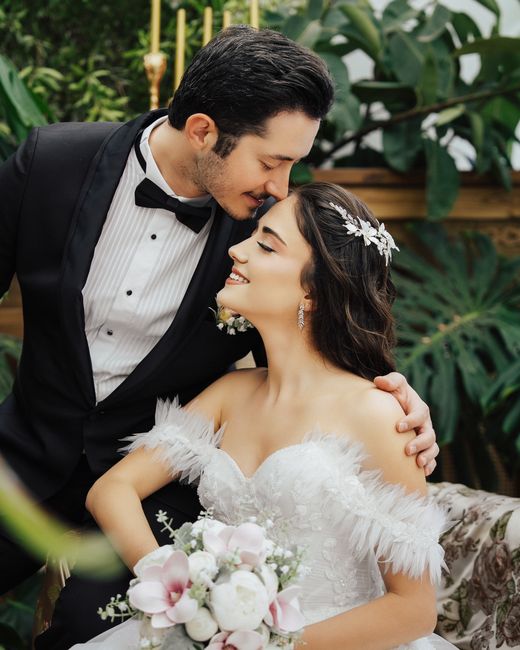
One thing people often forget: your bouquet should work with your dress, not compete with it. If the gown has lots of detail, the flowers can be a touch softer. If the dress is simple, a more sculptural bouquet can carry the look. That balance matters.
And yes, sometimes the best design decision is to do slightly less, but do it properly. Fewer pieces, better executed. You will notice the difference. Everyone will, actually.
Common Mistakes to Avoid
Wedding flower mistakes are rarely dramatic disasters. They're more often small misjudgements that add up. A bouquet that is too heavy. Table arrangements that block conversation. A supplier booked too late. The kind of thing that makes you say, "We should have thought of that."
- Booking too late: good wedding florists can fill their diaries well ahead of peak dates.
- Choosing flowers only by image: a pretty picture does not tell you how something performs in heat, shade, or a busy room.
- Ignoring scale: a small arrangement can disappear in a large venue, while oversized pieces can crowd a compact space.
- Forgetting setup time: flowers need to be placed properly, not just dropped off at the door.
- Overcomplicating the palette: too many colours can make a wedding look less elegant, not more.
- Skipping practical questions: ask about substitutions, delivery timing, and what happens if traffic delays the van.
Another mistake is assuming every flower needs to be "special." The special part is how it all comes together. A well-designed mix of roses, lisianthus, and greenery can look far more refined than a bundle of expensive but mismatched stems. In other words, style beats strain.
Tools, Resources and Recommendations
You do not need a pile of apps and spreadsheets to plan wedding flowers, but a few simple tools help keep things clear.
- Venue photos: take pictures of the room in daylight if possible. Florists can read proportions much better from photos than from a vague description.
- Colour swatches: fabric samples, bouquet inspiration, or even saved phone images can help define the palette.
- Guest list draft: useful for working out buttonholes, table quantities, and whether you need extra pieces for family.
- Delivery notes: keep a clean note of venue access, contact names, and arrival windows.
- Florist product categories: browsing local wedding-specific collections can help you compare structure and style. For example, bridal bouquets, bridesmaid bouquets, buttonholes, and table arrangements give you a useful sense of what can be matched across the day.
For local wedding buyers, it also helps to look at the florist's broader service pages so you understand their approach to delivery and customer support. A page like delivery information or about the florist can tell you more about how they work day to day, not just how pretty the flowers are.
If you're comparing wedding ranges, collections such as wedding collections and style-led lines like White Wonders Wedding Collection or Pure Romance Wedding Collection can be a helpful starting point when you want a coherent visual theme.
Law, Compliance, Standards, or Best Practice
Wedding floristry isn't heavily regulated in the way some industries are, but there are still sensible standards and expectations that matter. A professional supplier should be clear about pricing, delivery, refunds, privacy, and order terms. That sounds basic, yet it saves hassle when plans change.
In practice, best behaviour from a florist usually includes clear written confirmation of what has been ordered, what substitutions may happen, what setup is included, and how the flowers will be delivered. If you're paying a deposit, make sure you understand the payment terms before going ahead. No one enjoys decoding fine print in a hurry, especially not during wedding planning.
It also helps to think about sustainability and waste. Not every wedding needs imported flowers flown halfway across the world. Where possible, seasonal flowers and reusable arrangements are a sensible option. Many couples in London are increasingly aware of this, and it fits well with a more considered style of celebration.
If accessibility matters at the venue, ask early about access routes, stairs, lifts, and loading points. That's not just good planning, it's basic professional courtesy. The same goes for honest handling of returns, complaints, and any issues with freshness or damage. Policies should be understandable, not hidden away like a treasure map.
For more context on how a local florist handles policies and customer care, pages such as terms and conditions, returns and refund information, privacy policy, and guarantees can be useful reading before you book. It's the unglamorous bit, yes, but it matters.
Options, Methods, or Comparison Table
When planning wedding flowers in Stockwell, couples usually choose between three broad approaches. None is inherently "best"; it depends on your venue, timing, and budget.
| Approach | What it looks like | Best for | Things to watch |
|---|---|---|---|
| Classic coordinated florals | Matching bouquet, bridesmaid bouquets, buttonholes, and table flowers in a unified style | Traditional weddings and elegant venues | Can feel costly if every item is made large or highly detailed |
| Seasonal, flexible styling | Flowers chosen around the season and adjusted based on availability | Couples who want value and a more natural look | Requires trust in the florist's substitution choices |
| Statement-led design | Fewer but bolder arrangements with strong visual impact | Modern weddings, smaller guest lists, photo-heavy days | Needs careful scale planning so the room doesn't feel unbalanced |
If you like structure, the classic route is easy to understand and reassuring. If you want flexibility, the seasonal route often delivers better value. If you want something memorable, statement-led design can be brilliant, but it needs a florist who understands proportion and placement.
To be fair, the best wedding florals often sit between these options. A classic bouquet, a seasonal table plan, and one statement piece near the ceremony can be a very strong combination.
Case Study or Real-World Example
Here's a realistic example based on a common Stockwell wedding scenario. A couple is getting married in late spring, with a ceremony and dinner at separate local venues. They want the flowers to feel romantic and soft, but not overly traditional. The bride likes roses and blush tones, the groom wants the buttonholes to be simple, and the couple needs everything to fit into a fairly tight delivery window.
Rather than ordering separate, unrelated pieces, they build a small floral plan:
- a focal bridal bouquet with roses and seasonal supporting flowers
- two bridesmaid bouquets in a lighter version of the same palette
- buttonholes for the groom, fathers, and key family members
- two ceremony arrangements that can move to the reception area later
- low table flowers to keep conversations easy
The result is calm and cohesive. Nothing feels overdone. The ceremony pictures look polished, and the reception tables still have life and colour without blocking faces or candles. The couple also avoids a common problem: paying for flowers that are used once and forgotten. By reusing certain pieces, they get more visual value from the same design budget.
That's the kind of planning that tends to work well in London. Smart, efficient, and quietly elegant. No fireworks required.
Practical Checklist
Use this checklist when you're ready to speak to a florist or compare options.
- Have you confirmed the wedding date and venue?
- Do you know whether the venue has access restrictions or setup timings?
- Have you chosen a broad colour palette?
- Do you have a style direction: romantic, modern, classic, garden-inspired, or bold?
- Have you identified your must-have flowers, if any?
- Have you decided which items you actually need: bouquet, bridesmaid bouquets, buttonholes, table arrangements, ceremony pieces?
- Do you know your budget range?
- Have you asked about seasonal substitutions?
- Have you checked delivery and collection arrangements?
- Have you reviewed payment, refund, and order terms?
- Do you need arrangements that can be reused during the day?
- Have you asked for examples of similar wedding work?
If you can tick most of those off, you're in a strong position. If not, that's fine too. Better to sort it now than discover a missing detail the week before the wedding.
Conclusion
Wedding flowers in Stockwell for 2026 are about more than trends. They're about making the day feel like yours, while keeping the practical side under control. The most successful plans tend to blend seasonal thinking, thoughtful styling, and a local supplier who understands how weddings actually run in South London.
Focus on the venue, the timing, the colour palette, and the pieces that matter most. Ask direct questions. Keep the design coherent. And don't be afraid to keep things simpler if that gives you a better result. Beautiful flowers do not need to be complicated, just well considered.
Get a free quote today and see how much you can save.
In the end, the best wedding flowers are the ones that help the day feel warm, personal, and quietly unforgettable. That part stays with people.
Frequently Asked Questions
What are the main Wedding flowers Stockwell 2026 trends and local suppliers couples are choosing?
The strongest trends are seasonal arrangements, soft garden-style bouquets, more reusable ceremony-to-reception designs, and clearer focus on colour cohesion. Local suppliers are also being chosen for their delivery knowledge and ability to adapt quickly.
How far in advance should I book wedding flowers in Stockwell?
As early as you can, especially if your wedding is in spring or summer. Popular dates can book out well ahead of time, and earlier booking gives you more choice with style and budget planning.
Which flowers work best for wedding bouquets in 2026?
Roses, lisianthus, orchids, hydrangeas, alstroemeria, lilies, and chrysanthemums all remain useful depending on the look you want. The best choice depends on venue temperature, colour palette, and how long the flowers need to hold.
Are local Stockwell florists better than ordering from further away?
Often, yes, for weddings. A local florist is usually better placed to manage delivery timing, venue access, and last-minute coordination. That can reduce stress and help the day run more smoothly.
How do I keep wedding flower costs under control?
Choose a limited number of high-impact arrangements, reuse ceremony pieces at the reception, and lean on seasonal flowers where possible. Being selective usually gives a better result than trying to cover every surface.
Can I mix real flowers with artificial ones for a wedding?
You can, but it needs careful planning so the final look feels consistent. Some couples use faux flowers for certain display areas and real flowers for the bouquet and key focal points. It depends on budget and preference.
What should I ask a florist before booking?
Ask about availability, seasonal substitutions, delivery timing, setup support, payment terms, and examples of similar wedding work. Those questions usually tell you more than a glossy portfolio alone.
How many buttonholes do I need?
Count the groom, best man, fathers, grandfathers, and anyone else in the wedding party who should be visually included. A florist can help you decide based on the shape and scale of the day.
What if my venue has difficult access or limited parking?
Tell the florist as early as possible. Good local suppliers can plan for access issues, but they need the information upfront so they can schedule delivery and setup realistically.
Do wedding flowers need to match the bridesmaids exactly?
No, and they often look better if they don't. A related palette usually feels more elegant than an identical copy. Slight variation can add depth and stop the arrangements looking too rigid.
Are sustainable wedding flowers possible in Stockwell?
Yes, and they're becoming more popular. Seasonal flowers, reusable designs, and thoughtful quantity planning all help reduce waste. You can also ask your florist how they source and handle leftovers.
What is the best way to compare local wedding flower suppliers?
Compare style, clarity of quote, flexibility with substitutions, delivery support, and whether their wedding collections fit your venue and budget. Looking only at price usually misses the bigger picture.